

Westland Lysander III
Dave Hadfield
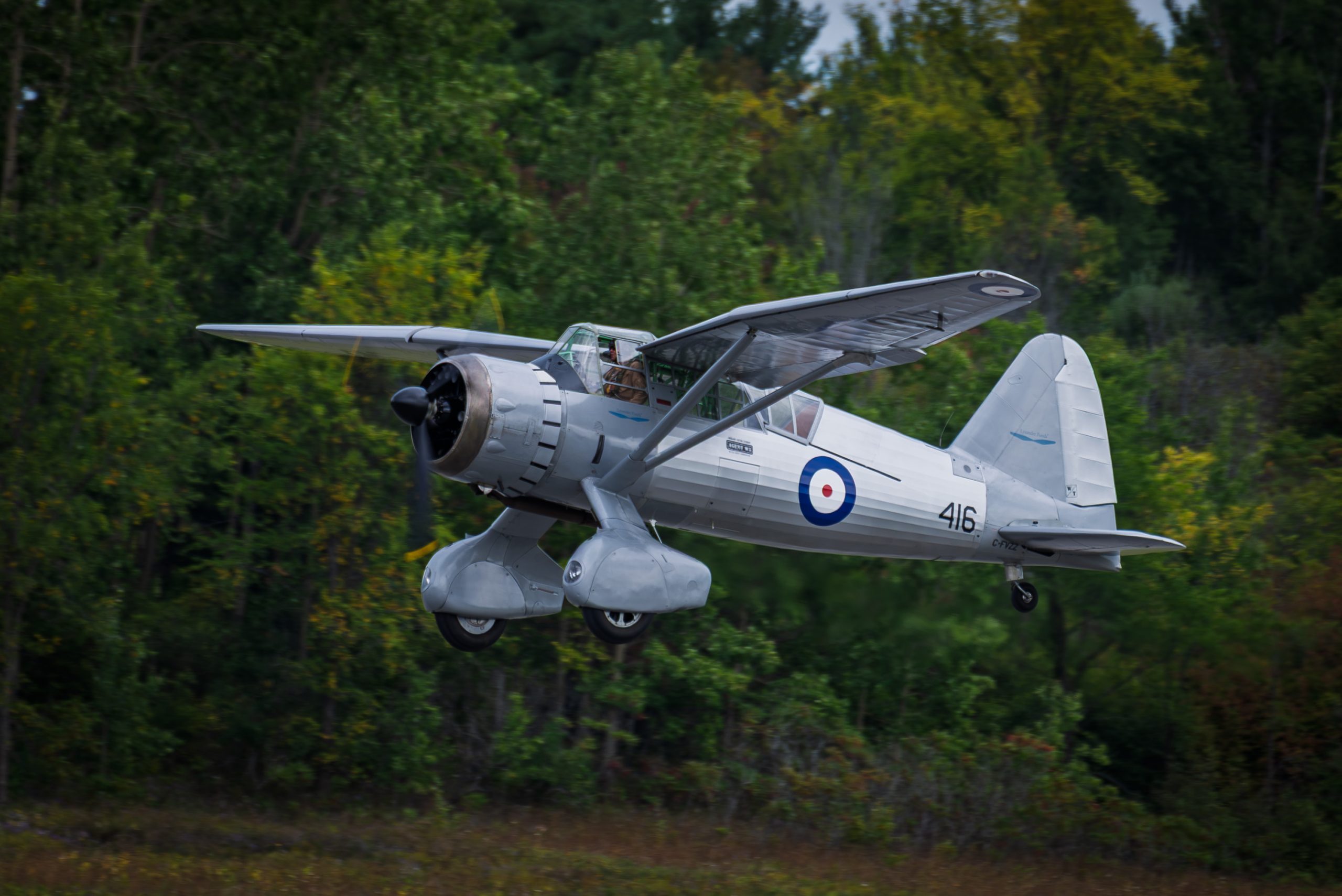
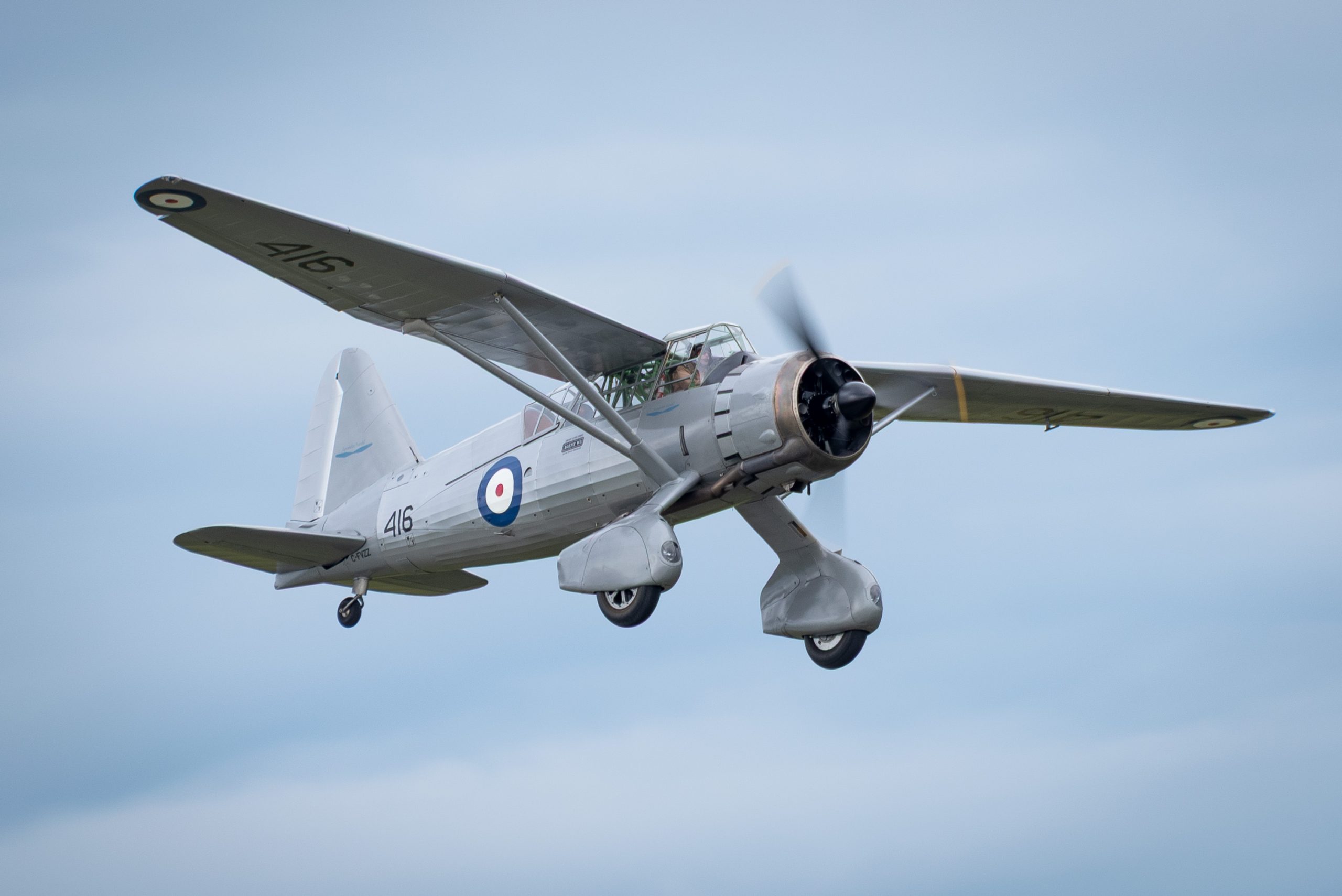
Designed as an army co-operation aircraft, the Lysander equipped six RAF squadrons in France for artillery spotting, reconnaissance and other communications tasks during the first year of the war. This role would largely disappear with the fall of France, but the Lysander would go on to become a remarkable multi-role aircraft. Many Lysanders were converted to target tugs helping to train anti-aircraft gunners in Britain. Others, fitted with air-droppable life rafts, formed the RAF’s first air/sea rescue squadrons. Working with fast motor launches to within a mile of the enemy’s coastline, Lysanders helped rescue hundreds of downed airmen. Today, the Lysander is largely remembered for a dangerous clandestine role they filled. Using their superb short take-off and landing (STOL) capabilities, unarmed Lysanders were operated in and out of unprepared fields, pastures, and forest clearings in the dark of night to pick-up secret agents and saboteurs from occupied-Europe.
Information
Length: 9.3 m
Wingspan: 15.24 m
Max speed: 341 km/h
